Explore developments in zero-emission commercial trucks, focusing on electric and hydrogen vehicles, and their impact on sustainable freight transportation.
Freight transportation is a fundamental pillar of global trade, but also a major source of carbon emissions. As sustainability becomes a priority, companies are looking for strategies to reduce their environmental impact and green their logistics chains without compromising efficiency.
The growth of e-commerce and globalization have intensified the demand for freight transport, which brings with it several environmental challenges:
To minimize environmental impact, companies are adopting innovative solutions and sustainable technologies in logistics:
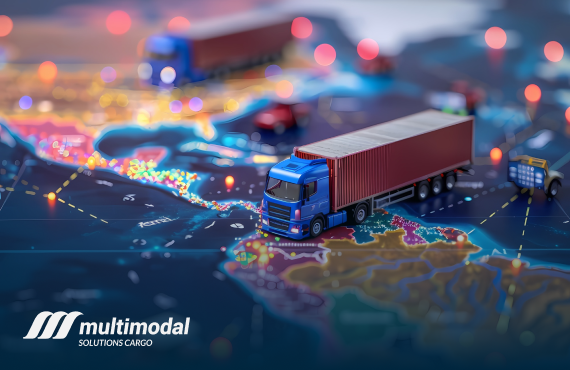
Electric trucks and vans are a clean alternative for transporting goods. Companies such as Tesla, Volvo and Daimler are developing electric cargo vehicles with sufficient range for long-distance trips.
Biofuels, such as biodiesel and green hydrogen, significantly reduce emissions compared to fossil fuels. In addition, the integration of solar and wind energy in logistics centers optimizes operational sustainability.
The use of artificial intelligence and big data makes it possible to plan more efficient routes, reducing fuel consumption and delivery times. In addition, load consolidation avoids unnecessary trips and maximizes vehicle capacity.
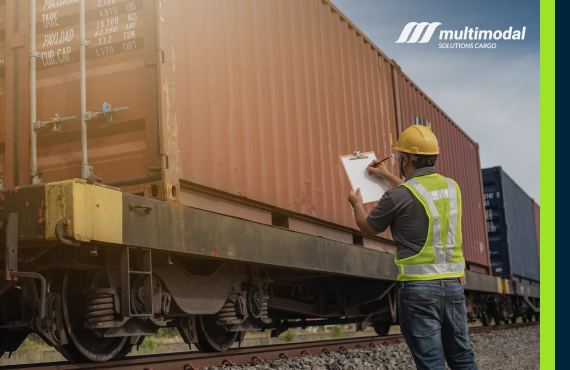
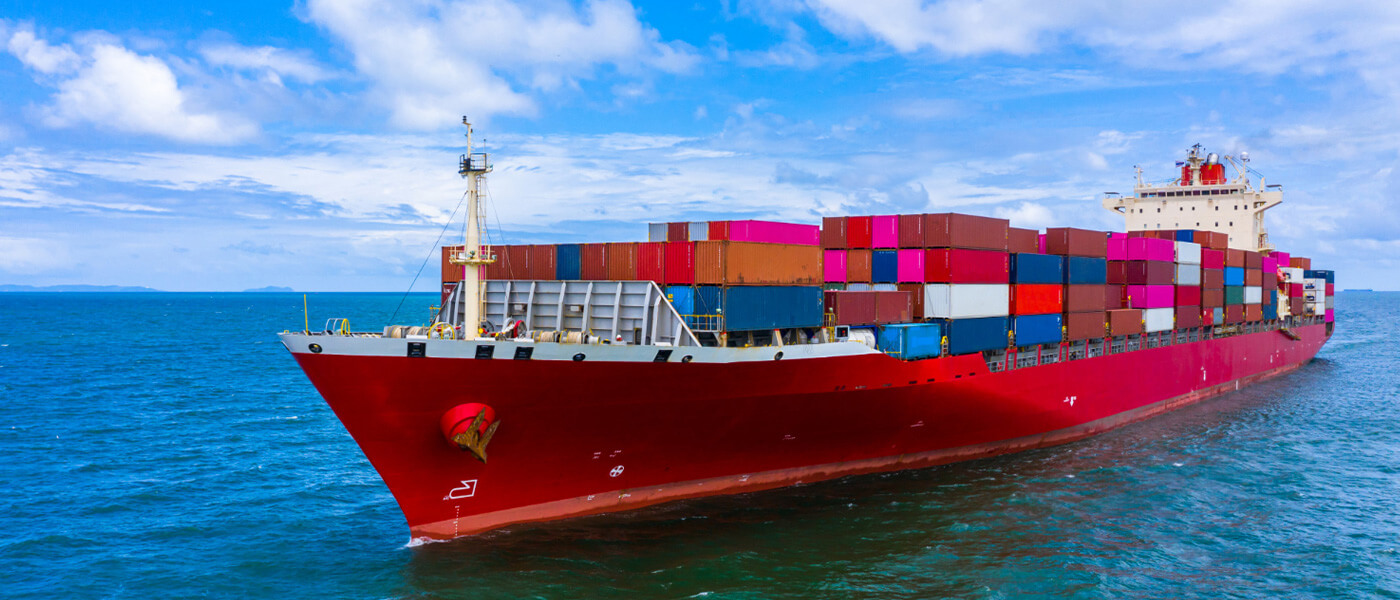
Intermodal transport combines different modes, such as trains and ships, to reduce dependence on road transport and reduce emissions. Freight trains, in particular, are a more efficient and less polluting option than trucks.
The development of biodegradable and recyclable packaging helps reduce waste. In addition, reverse logistics strategies make it possible to reuse materials and minimize waste throughout the supply chain.
The future of freight transportation will be marked by the adoption of clean technologies, the optimization of logistics processes and a growing commitment to sustainability. Companies that implement these solutions will not only reduce their carbon footprint, but also improve their efficiency and competitiveness in an increasingly environmentally conscious market.