Innovations are transforming delivery methods, promising faster, more efficient and customer-centric services.
The logistics industry is undergoing a revolution driven by technology and the growing demand for fast, efficient and sustainable solutions. The evolution of product delivery is being transformed by innovations that are redefining the supply chain and improving the customer experience.
The use of robots in warehouses and distribution centers is optimizing inventory management and reducing processing times. Companies such as Amazon and Alibaba have implemented autonomous robots for picking and packing, improving efficiency and reducing operating costs.
Advances in autonomous vehicles are revolutionizing last-mile delivery. Companies such as Tesla and Waymo are developing driverless vans and trucks that could reduce logistics costs and improve road safety.
On the other hand, the use of drones for fast delivery in urban and rural areas is gaining popularity. Major brands such as Amazon Prime Air and Wing are leading this innovation, facilitating ultra-fast deliveries with less environmental impact.
Artificial intelligence (AI) and big data are revolutionizing decision making in logistics. Advanced algorithms make it possible to predict demand, optimize delivery routes and reduce waste. In addition, AI improves communication with customers through chatbots and virtual assistants, streamlining customer service processes.
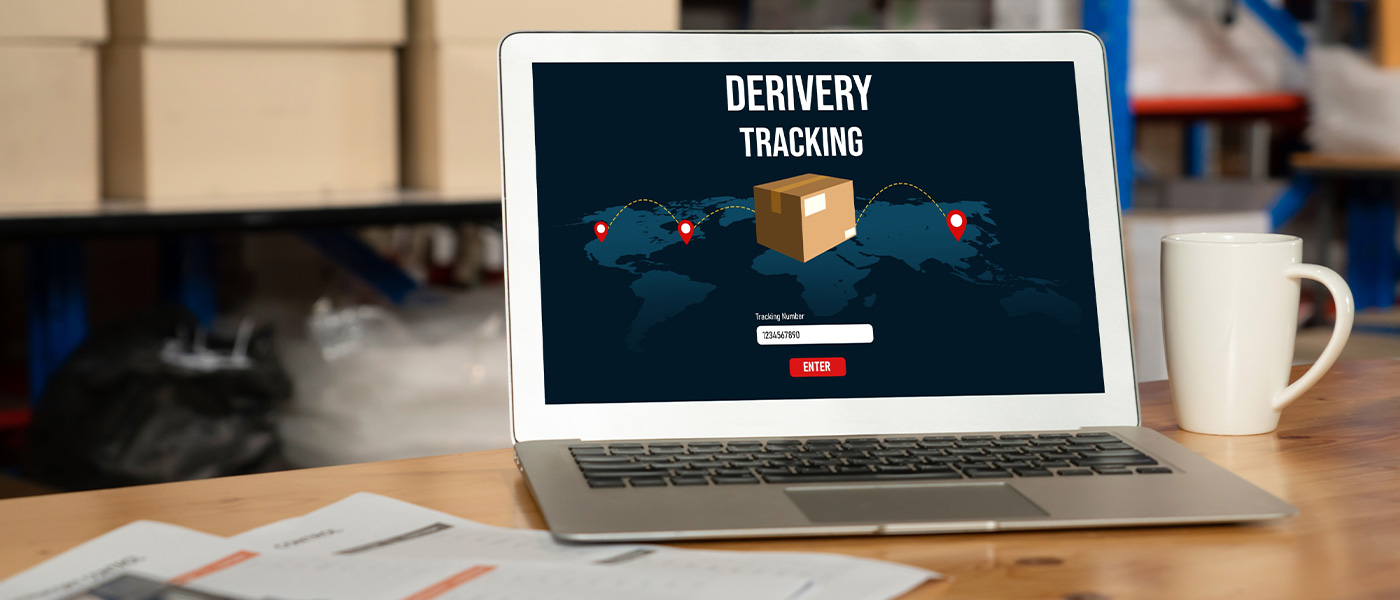
Blockchain technology is transforming traceability in the supply chain. Through immutable and verifiable records, companies can ensure product authenticity, improve security and prevent fraud in logistics transactions.
With increasing environmental awareness, companies are looking for greener delivery solutions. The use of electric fleets, biodegradable packaging and shipment consolidation are key strategies to reduce the carbon footprint of modern logistics.
The combination of these innovations is shaping a future where deliveries will be faster, safer and more sustainable. As technology continues to advance, logistics companies must adapt and evolve to stay competitive and meet consumer expectations.