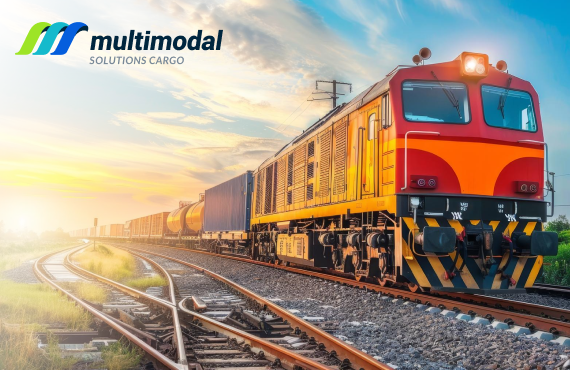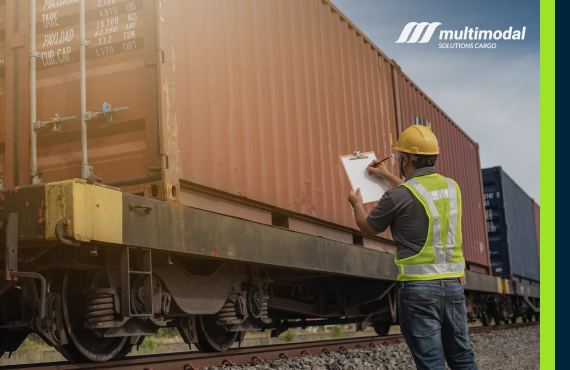

The evolution of logistics in a connected world marks a transformational path. With the advent of advanced technology and globalization, logistics has undergone a revolution.
In an increasingly interconnected world, logistics has evolved significantly to meet the challenges of globalization, e-commerce and consumer expectations. Today, companies must adapt to a more agile, efficient and technologically advanced supply chain.
Decades ago, logistics relied mainly on manual processes and basic transportation systems. Route planning, inventory management and shipment coordination were complex tasks that required a large investment of time and resources.
With the advance of technology, digitalization has revolutionized the sector. Tools such as artificial intelligence, the Internet of Things (IoT) and big data have made it possible to optimize routes, predict demand and automate processes, reducing costs and improving operational efficiency.
The rise of e-commerce has changed the rules of the game in logistics. Consumers expect fast, flexible shipments with real-time tracking options. To meet these demands, companies have adopted distribution models such as smart warehouses, last-mile logistics, and the use of drones and autonomous vehicles for product delivery.
In addition, returns management has become a key factor. An efficient reverse logistics system enables companies to improve the customer experience and reduce economic losses.
Another crucial aspect in the evolution of logistics is sustainability. With increased environmental awareness, companies are looking to reduce their carbon footprint through electric vehicle fleets, recyclable packaging and route optimization strategies that reduce CO2 emissions.
The future of logistics is marked by automation, artificial intelligence and total connectivity. Advances in blockchain are expected to improve supply chain security and traceability, while robotics and automation will continue to optimize warehouse management and product distribution.
In a hyperconnected world, logistics will continue to transform to adapt to the needs of businesses and consumers, prioritizing efficiency, sustainability and technological innovation.